
Evaluating game performance
The user seems to want an analytic take on the recent game performance. I should provide an outline summarizing key tactical issues and suggestions.
- Main reason for the loss: offensive efficiency dropped, defense struggled, rebounding issues, and turnover conversions.
- Roster adjustments: exploring young center/forward rotation but lacking chemistry, involving backups disrupts starting flow; need for dual star presence.
- Import player controversies: concerns about excessive usage of Fogg affecting performance; consider any new imports but caution on integration timing.
I’ll keep it concise and analytical in tone, as suggested.Analyzing team performance
I need to provide a concise analysis of Liaoning’s performance without naming specific players. Here’s what I think:
- Tactics: They struggled against Guangzhou’s fast-paced play, with communication issues on switches leading to defensive gaps and poor rotation.
- Coaching Choices: Balancing tournament experience and winning can be tricky; recent lineup changes have sparked some debate.
- Adjustment Suggestions:
- Define clear windows for dual import usage to reduce ball-handling pressure.
- Implement specific offensive sets to relieve pressure on guards.
Further recommendations could focus on rotation stability for the upcoming matches with performance metrics to track.
赛后简评
- 失利主因:进攻节奏被放慢、阵地战单打偏多,外线错位点没有打出持续优势;防守端被对手高机动锋线与五小牵扯,弱侧轮转慢、底角/45度点多次漏人;防守篮板与转换防守质量不足,给了对手二次进攻与快攻分。
- 阵容调整影响:轮换幅度偏大,磨合度不够,替补与主力衔接段落起伏明显;关键时段阵容不稳定,出现无稳定持球点/无稳定终结点的时间窗。
- 外援争议聚焦:小外援使用率高导致末节效率回落,持球压力集中;大外援护筐在但空间拉不开、犯规与罚球拖节奏。双外援同场时间不稳定、战术分工不清,使得性价比被质疑。
- 教练选择取舍:杯赛练兵意图明显,但与争胜优先级冲突;频繁试阵在短赛制中代价更大,叠加对手针对性准备,放大了问题观感。
调整建议(短期可落地)
- 明确双外援同场的固定窗口,避免长时间无主控或无内线支点的时段;末节保留一个强持球+一个护筐/吃餅点的组合。
- 减少单点持球负担,增加手递手、双掩护、Spain PnR与弱侧电梯门等无球战术,提升本土后卫二次组织权重,保证弱侧持续威胁。 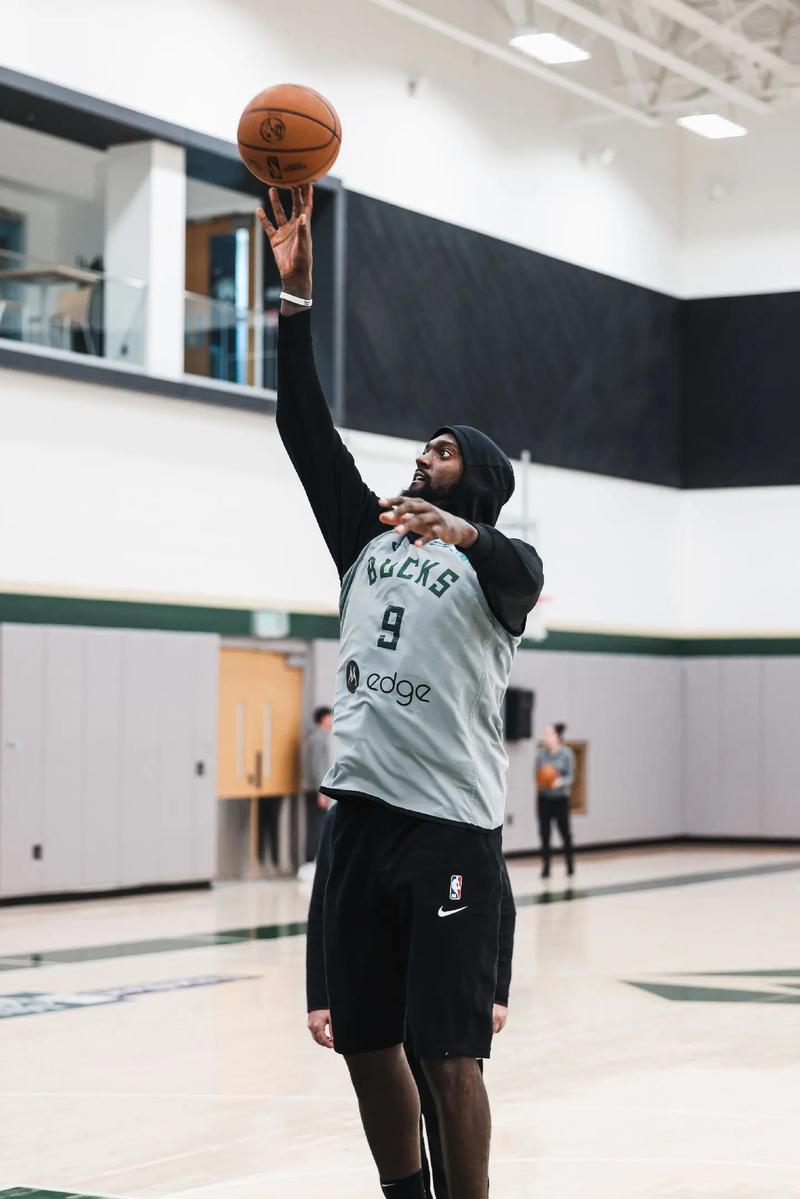
- 四五号位搭配“一静一动”:一人高位策应拉开/短传分球,一人顺下吃餅;强调卡位与落位优先级,保护防守篮板。
- 针对广州:收缩禁区优先切断突破首拍,侧向协防上提但弱侧提前轮转;对其外援挡拆做“换防+底角补位预判”,必要时用提前犯规打断节奏。
- 轮换收紧至8-9人,给年轻球员设定清晰的防守KPI(防板、对位限制、无球站位),在非关键时段分配开发时间。
下场关注的硬指标
- 失误≤12次;防守篮板率≥75%;对手快攻得分≤12分
- 双外援同场净效率为正;弱侧底角被出手次数明显下降
- 半场结束前至少打出3-4套指名战术并形成有效终结
说明
- 杯赛样本小,舆论温度高于技术波动本身;但若两周内轮换与分工仍不稳定,常规赛开局风险会放大。
- 如果需要,我可以基于你提供的技术统计做一版更具体的复盘(回合拆解+战术板图),或写一篇评论稿。